


Cannabis science is advancing quickly, including research on how cannabinoids interact with the cardiovascular system. THC, CBD, dose size, and delivery format can all influence heart rate and blood pressure in different ways. A structured, evidence-informed approach helps clarify a topic that is often oversimplified.
This Q&A with our medical professional team answers questions about heart health and its relation to cannabis, from product selection and dosing to at-home monitoring and medication coordination.
How should people with cardiovascular concerns track or monitor their cannabis use effects at home?
We encourage utilizing a cannabis journal or log that allows people to effectively track and monitor effects and patterns at home. The more specific the information recorded, the easier it is to identify whether any modifications to treatment are needed.- Product name and formulation
- THC and CBD ratios
- Dose taken
- Time of use
- Method of consumption (ingestible, inhaled, tincture, etc.)
- Noted effects (relief, side effects, anxiety, dizziness, etc.)
- Cardiovascular measurements, such as blood pressure and heart rate
Is Cannabis Safe for the Heart?
When we’re asked this question, we focus the conversation on educating them on the possible effects of cannabis on the heart and health in general, rather than blanket yes or no answers. Some research suggests potential changes in blood pressure, while other studies note possible cardiovascular strain, especially with inhaled formulations. We do our best to provide information on products that will minimize any concerns. No two people are the same, and each individualized plan is based on health history, risk factors, and goals.How Does Cannabis Affect Heart Rate and Blood Pressure?
Current research regarding the impact cannabis can have on the heart or blood pressure has yielded mixed results. Some research shows a reduction in blood pressure, while other publications show a negative impact on the heart overall. One common outcome, from many studies, is that THC can elevate the heart rate.
We typically advise:
- Start with low doses
- Increase slowly only if needed
- Avoid rapid THC escalation
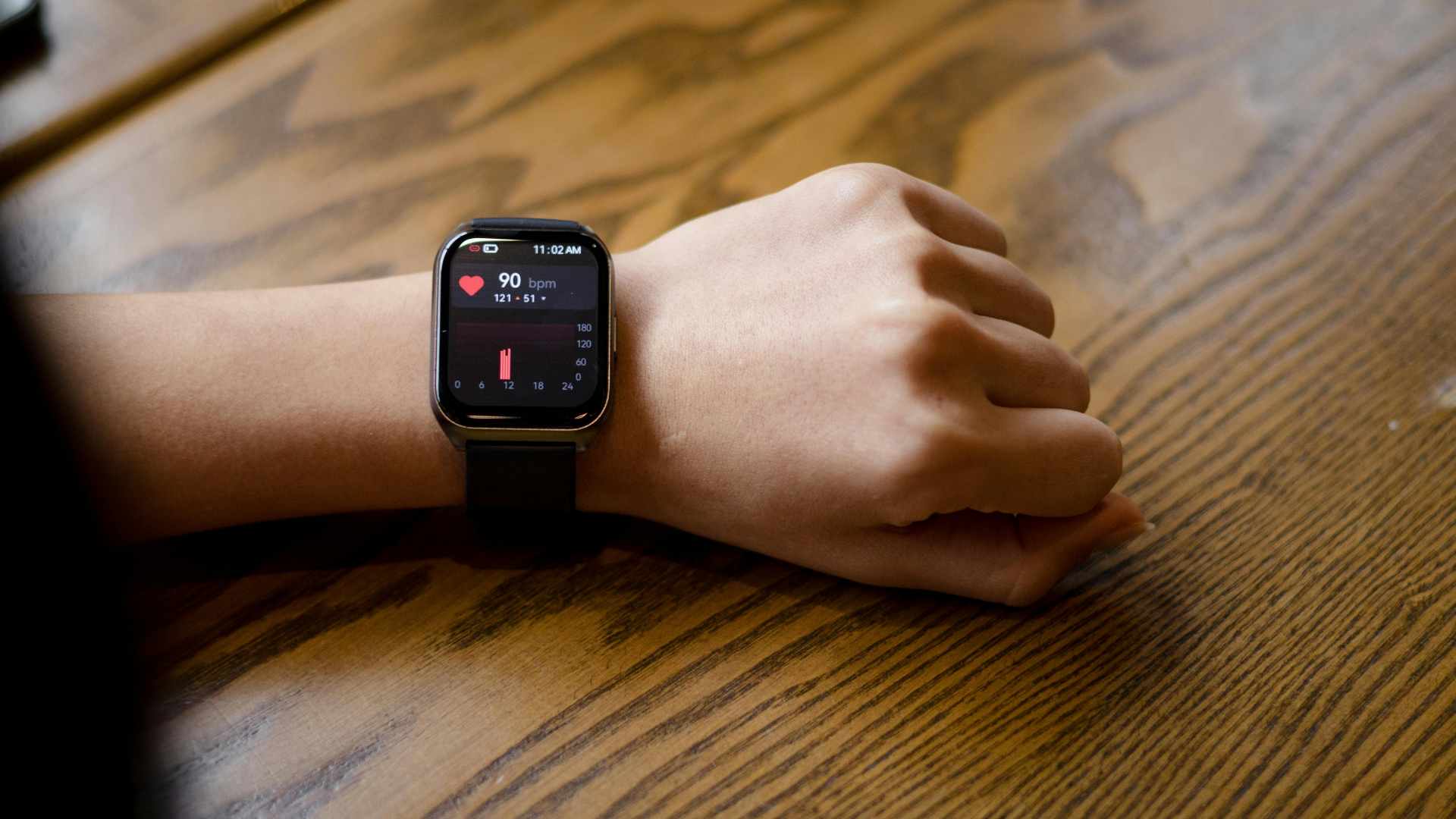
- Monitor heart rate and blood pressure response
- Consult a physician or cardiologist when appropriate
What If Cannabis Causes a Racing Heart or Palpitations?
Concerns about palpitations or a racing heart are common and valid. Our guidance focuses on preventing those unwanted side effects through dosing and product selection.
Best practices include:
- Avoiding high-THC starting doses
- Using CBD-dominant formulations
- Choosing low-dose ingestible products
- Titrating slowly over time
- Avoiding anxiety-triggering terpene profiles when sensitive
Gradual introduction significantly reduces the likelihood of uncomfortable cardiovascular symptoms.
Can You Use Cannabis If You Take Heart Medications?
We recommend notifying your healthcare providers before adding cannabis to your routine. Scheduling a consultation with Ethos medical professionals allows time to review current medications, screen for potential interactions, align dosing strategies, and select appropriate products. Cannabis is generally well tolerated with heart medications, but professional oversight helps ensure safer integration.
Does Cannabis Consumption Method Matter for Heart Health?
Yes, consumption methods are important to consider when choosing the right products. Research shows an increased risk of potential harm to the heart and lungs when smoking. Ingestible methods are considered to carry the lowest risk of adverse cardiovascular effects. THC and CBD content should also be considered when selecting products. THC has an increased risk of elevating the heart rate and increasing blood pressure, whereas CBD does not carry the same risk. When considering which products to use from a cardiovascular standpoint, start with a low-dose ingestible like the 30:1 CBD:THC huny troche.
People prone to anxiety may want to consider avoiding terpene profiles high in pinene and terpinolene, which can feel stimulating for some individuals and may indirectly raise heart rate through anxiety response.
Cannabis and heart health is not a one-size-fits-all conversation. With personalized, measured, and collaborative guidance from knowledgeable medical professionals and open communication with your healthcare team, cannabis can be explored more confidently while keeping cardiovascular safety top of mind.
References
- “Want to Check Your Heart Rate? Here’s How.” Harvard Health, 16 Apr. 2024, www.health.harvard.edu/heart-health/want-to-check-your-heart-rate-heres-how.
- Corroon, Jamie, et al. “Lifetime Cannabis use and incident hypertension: The coronary artery risk development in young adults (Cardia) study.” Hypertension, vol. 82, no. 10, Oct. 2025, pp. 1641–1652, https://doi.org/10.1161/hypertensionaha.125.25005.
- Ilonze, Onyedika J., and Robert L. Page. “Smoking or vaping cannabis and cardiovascular function: Is δ‐9‐tetrahydrocannabinol the main culprit?” Journal of the American Heart Association, 22 Nov. 2024, https://doi.org/10.1161/jaha.124.038913.
- Corliss, Julie. “Cannabis and Heart Concerns: A Closer Look.” Harvard Health, 1 July 2025, https://www.health.harvard.edu/heart-health/cannabis-and-heart-concerns-a-closer-look.
- JACC Journals Exploring the Impact on Cardiovascular Medicine, www.jacc.org/doi/abs/10.1016/j.jacadv.2025.101698. Accessed 25 Jan. 2026.
- Dabiri, Ali E, and Ghassan S Kassab. “Effects of Cannabis on Cardiovascular System: The Good, the Bad, and the Many Unknowns.” Medical Cannabis and Cannabinoids, U.S. National Library of Medicine, 12 Nov. 2021, pmc.ncbi.nlm.nih.gov/articles/PMC8832198/.
- Study Links Chronic Marijuana Smoking, Edibles to Endothelial Dysfunction | JAMA | Jama Network, jamanetwork.com/journals/jama/article-abstract/2835492. Accessed 25 Jan. 2026.

