


It’s 2:47 AM… again. You’re staring at the ceiling, caught in the restless loop of tossing and turning, clock-watching, while your mind races with worries, and aches throb in the quiet. Nearly one in three adults reports struggling with sleep most nights, with countless others feeling groggy and depleted when morning arrives. Good sleep is necessary for both physical and mental health, yet many people struggle to get the rest they need. Insomnia, chronic pain, and anxiety often overlap, forming a cycle of poor sleep and daytime fatigue that can be difficult to break. So, how does cannabis actually affect the body’s natural sleep cycles?
Cannabis doesn’t simply “knock you out.” Instead, it interacts with the body’s endocannabinoid system in ways that may influence how quickly you fall asleep, how long you stay asleep, and which stages of sleep your body spends the most time in. Knowing these effects can help in making informed decisions about using cannabis as part of a sleep routine.
How Cannabis Influences Sleep Phases
Sleep occurs in cycles of non–rapid eye movement (non-REM) sleep and rapid eye movement (REM) sleep. Each stage plays a unique role in physical recovery, emotional regulation, and cognitive function. Cannabis interacts with the body’s endocannabinoid system, which assists in regulating sleep-wake cycles, stress response, and pain.
Cannabis and Sleep Latency
Cannabis research shows its ability to reduce sleep latency, or the amount of time it takes to fall asleep. THC, in particular, promotes faster sleep onset, which may be beneficial to individuals with insomnia or difficulty falling asleep.
By shortening sleep latency, cannabis helps the body transition more quickly into non-REM sleep, allowing consumers to fall asleep faster and stay asleep longer during the earlier stages of the sleep cycle.
How Cannabis Influences Light, Deep, and REM Sleep
Effects on Non-REM Sleep
Cannabis use tends to increase time spent in non-REM sleep, especially the lighter stages. These stages are essential for physical restoration, immune function, and muscle recovery. For people who experience frequent nighttime awakenings or interrupted sleep, spending more time in non-REM sleep can improve overall sleep continuity.Why THC Shortens REM Sleep
Because cannabis lengthens the earlier stages of non-REM sleep, REM sleep is often reduced as a secondary effect. This pattern is similar to what is seen with certain prescription sleep medications, including benzodiazepines.
REM sleep is associated with dreaming, emotional processing, and memory consolidation. While reduced REM sleep may be helpful in the short term for individuals with insomnia or nightmares, long-term changes in REM sleep may alter sleep quality differently for different individuals.
Common Sleep Concerns People Use Cannabis For
Beyond insomnia, cannabis is commonly used to support sleep in individuals dealing with underlying conditions that interfere with rest.Chronic Pain and Inflammation
Chronic pain, particularly inflammatory and nerve-related pain, can make it difficult to fall or stay asleep. Cannabis may help reduce pain perception and inflammation, allowing for longer, more stable sleep periods.
Anxiety and Stress
Anxiety is a frequent contributor to sleep disruption. By promoting relaxation and reducing nighttime rumination, cannabis may help some individuals achieve more restful sleep, especially when anxiety and insomnia occur together.How to Dose Cannabis for Sleep Without Grogginess
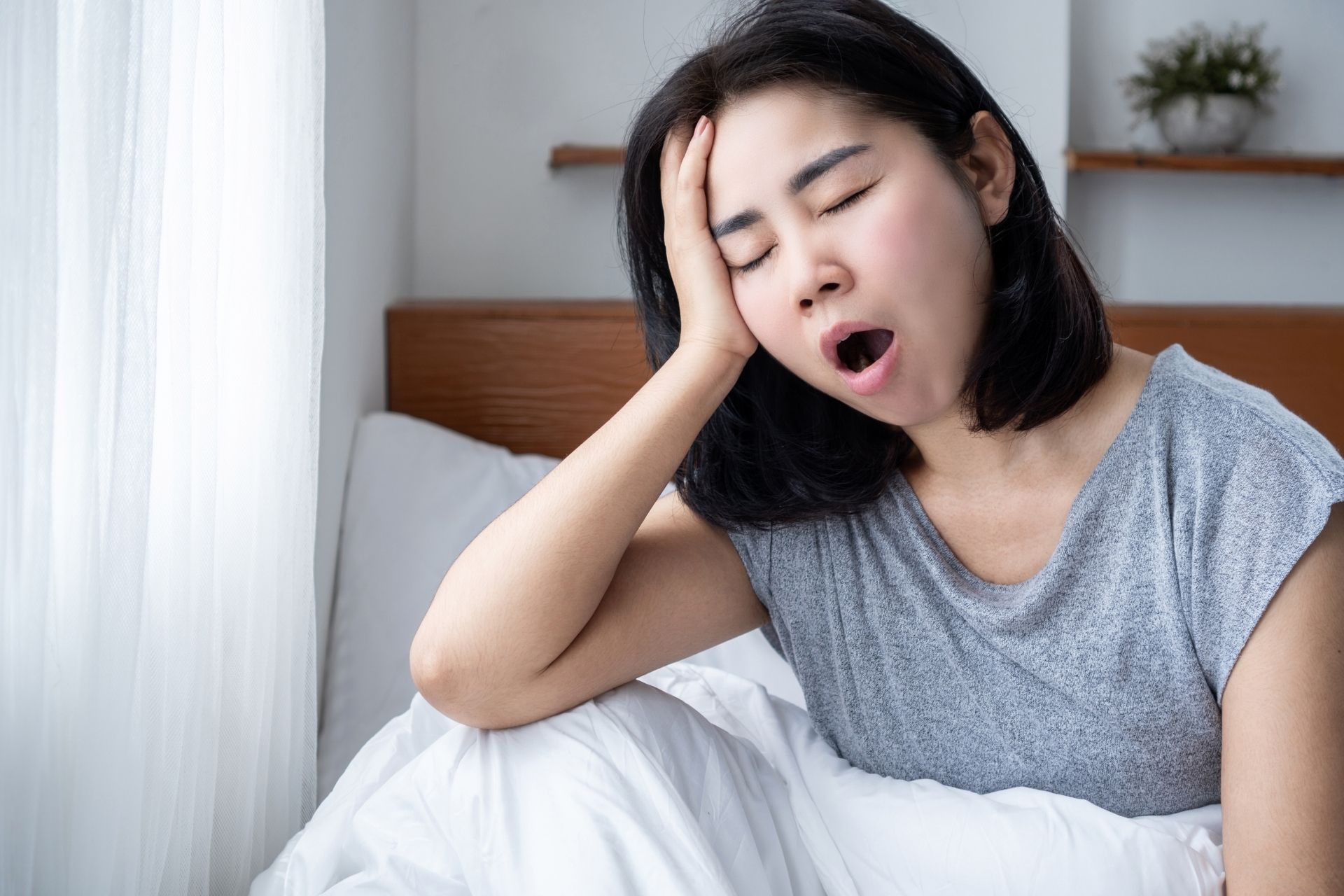
Proper timing and dosing are key to minimizing side effects such as morning grogginess or dizziness.
Most people benefit from dosing cannabis 30 to 60 minutes before bedtime and allowing for at least eight hours of rest. Even if sleep is interrupted, staying in bed and resting during this window gives the body time to metabolize cannabinoids, reducing the likelihood of lingering effects the next morning.
Starting with a low dose and gradually increasing as needed can also help identify the minimum effective amount for sleep support.
Best Cannabis Products for Stable Sleep
Oral Products for Consistent Effects
Oral cannabis products, such as tinctures and troches, tend to provide more predictable dosing and longer-lasting effects compared to inhaled forms. This makes them a preferred option for overnight sleep support.The Role of CBD and CBN
Research suggests that combining THC with CBD and CBN may lead to more stable sleep outcomes. CBD may help balance THC’s psychoactive effects, while CBN is often associated with sedation and nighttime relaxation.
CBD-dominant or balanced formulations may be especially helpful for individuals who are sensitive to THC or prone to next-day impairment.
Terpenes That Support Relaxation and Sleep
Terpenes are aromatic compounds found in cannabis that can influence how cannabinoids affect the body.
- Linalool is commonly associated with calming and stress-reducing effects.
- Humulene may support relaxation and physical comfort.
- Myrcene is well known for its sedative properties and may also help reduce muscle tension and pain.
Products containing these terpenes are often preferred for nighttime use.
How THC Tolerance Affects Sleep Over Time
With regular use, tolerance to THC can develop, meaning higher doses may be needed to achieve the same sleep effects. Over time, this can reduce effectiveness and increase the risk of side effects.
Many medical professionals recommend periodic breaks from cannabis—often referred to as tolerance breaks—to allow the endocannabinoid system to reset. Taking time away from THC can help restore sensitivity, making lower doses effective again when use is resumed. (You may wish to link to Ethos’ article on tolerance breaks here.)
Combining Cannabis With Healthy Sleep Habits
Cannabis is most effective when used as part of a broader sleep strategy rather than as a standalone solution.Sleep Hygiene Strategies to Support Cannabis Use
Terpenes are aromatic compounds found in cannabis that can influence how cannabinoids affect the body.- Maintain a consistent bedtime and wake-up schedule.
- Limit screen time before bed.
- Allow enough time in bed to rest, even if sleep doesn’t come immediately.
- Consider low-dose melatonin in combination with low-dose THC, which has been shown to improve sleep quality in some individuals.
Cannabis can be a helpful tool for sleep, particularly for individuals dealing with insomnia related to pain, inflammation, or anxiety. However, like any sleep aid, its benefits depend on thoughtful dosing, product selection, and realistic expectations. Factors such as timing, tolerance, and overall sleep hygiene all play a role in long-term outcomes.
When used intentionally—and alongside healthy sleep habits—cannabis may support more consistent and restorative rest. As always, individuals should approach cannabis use with awareness, start low, and adjust gradually to find what works best for their body. Education, patience, and balance remain key to getting the most benefit from any sleep-support strategy.

References
- McPherson, K. L., Tomasi, D. G., Wang, G. J., Manza, P., & Volkow, N. D. (2021). Cannabis Affects Cerebellar Volume and Sleep Differently in Men and Women. Frontiers in psychiatry, 12, 643193. https://doi.org/10.3389/fpsyt.2021.643193
- De Bode, N., Kroon, E., Sznitman, S. R., & Cousijn, J. (2025). The differential effects of medicinal cannabis on mental health: A systematic review. Clinical Psychology Review, 118, 102581. https://doi.org/10.1016/j.cpr.2025.102581
- Narayan, A. J., Downey, L. A., Rose, S., Di Natale, L., & Hayley, A. C. (2024). Cannabidiol for moderate–severe insomnia: a randomized controlled pilot trial of 150 mg of nightly dosing. Journal of Clinical Sleep Medicine, 20(5), 753–763. https://doi.org/10.5664/jcsm.10998
- Ried, K., Tamanna, T., Matthews, S., & Sali, A. (2022). Medicinal cannabis improves sleep in adults with insomnia: a randomised double‐blind placebo‐controlled crossover study. Journal of Sleep Research, 32(3), e13793. https://doi.org/10.1111/jsr.13793
- Walsh, J. H., Maddison, K. J., Rankin, T., Murray, K., McArdle, N., Ree, M. J., Hillman, D. R., & Eastwood, P. R. (2021). Treating insomnia symptoms with medicinal cannabis: a randomized, crossover trial of the efficacy of a cannabinoid medicine compared with placebo. SLEEP, 44(11). https://doi.org/10.1093/sleep/zsab149

